Source Durable Phenol Urea Resin for Woodworking, Construction, and Packaging
Find durable phenol urea resin from 15 verified suppliers in China. Compare specifications including viscosity, resin content, and packaging options for applications in woodworking, construction, and packaging. Request samples and quotes for bulk orders; compare the available evidence and request quotations based on your requirements.
Key considerations
Products List




Comprehensive Sourcing Guide
Durable Phenol Urea Resin Sourcing Guide
Procuring durable phenol urea resin requires distinguishing between specific chemical formulations and generic resin listings found in broad marketplaces. Buyers must verify that the product model explicitly matches the intended application, as observed listings include variations like LYC1012 and U-1, which serve different industrial needs. The raw material composition is a critical differentiator, with some sources listing urea and formaldehyde as primary inputs while others suggest manure or polyurethane blends, creating significant confusion for technical buyers.
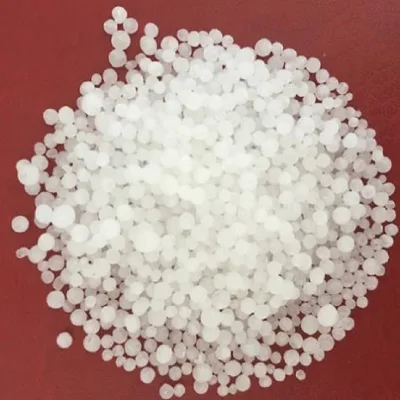
Verification of the physical state is equally essential before placing an order, as the supply chain presents conflicting data regarding morphology. While some product attributes describe the resin as a solid-state granular material suitable for packaging, other entries list a liquid physics state with specific viscosity ranges between 150 and 250. This discrepancy necessitates a rigorous review of the technical data sheet to ensure the physical form aligns with the processing equipment and application requirements of the buyer's facility.
Product Scope and Observed Listing Signals
The market for phenol urea resin displays a wide spectrum of product models, ranging from specific identifiers like LYC1012 to generic classifications such as UF or U-1. Buyers should note that observed listings often conflate distinct chemical families, with some entries describing the material as a self-hardening resin while others label it as a thermosetting adhesive or a miscellaneous fertilizer. This lack of standardization in product naming requires careful scrutiny of the chemical formula and CAS number to confirm the actual substance being offered.
Application signals in the marketplace are similarly diverse, with listings claiming suitability for woodworking, construction, and even agricultural use on fruits and flowers. The observed usage data includes claims for textile printing, footwear manufacturing, and general plastics, which suggests that the search results aggregate unrelated chemical products under a single keyword. Procurement teams must isolate listings that explicitly confirm the phenol urea composition to avoid purchasing incompatible materials that could compromise the integrity of the final product.
Technical Specifications to Verify
Technical verification must begin with the chemical composition and purity standards, as observed data indicates a resin content of 97% for some entries while others list purity as the sole standard. Buyers should demand a certificate of analysis that confirms the acid value is within the observed limit of 1 or less, ensuring the chemical stability required for durable applications. The density range of 1.05 to 1.15 is another critical parameter that must be validated against the specific batch to ensure consistent performance during mixing and curing processes.
Physical properties such as viscosity and bonding function are equally vital for process planning, particularly when the resin is intended for instant adhesive applications. The observed viscosity range of 150 to 250 provides a baseline for equipment calibration, but buyers must confirm if this applies to the liquid state or a specific temperature condition. Additionally, the classification as a thermosetting resin with weatherability characteristics must be cross-referenced with the intended service environment to guarantee long-term durability in the final assembly.
Compliance and Safety Documentation
Safety documentation is paramount when sourcing chemical resins, as the observed listings include certifications such as CE, ISO, GMP, and TUV, which indicate varying levels of regulatory adherence. Buyers must verify that the specific batch of resin carries the relevant safety data sheets that align with the claimed certifications, ensuring that the handling procedures meet local occupational health and safety regulations. The presence of these certifications suggests a baseline of quality control, but they do not automatically guarantee compliance with every jurisdiction's specific chemical import requirements.
Chemical neutrality and environmental impact are also key compliance factors, with some product attributes noting a chemical neutral character and physiological neutral infection on soil. However, the presence of formaldehyde in the raw material composition necessitates strict adherence to emission standards, particularly for applications in woodworking and construction where indoor air quality is a concern. Procurement teams should request specific test results regarding formaldehyde release rates to ensure the product meets the stringent safety thresholds required for consumer-facing applications.
Cost Drivers and Commercial Terms
Commercial terms for phenol urea resin are influenced by the observed minimum order quantity ranges, which span from 1 unit to 50 units, allowing for flexibility in procurement strategies. The delivery time of 15 days is a standard expectation for many listings, but buyers should confirm if this lead time applies to stock availability or production cycles, as custom orders may extend this window. Understanding the MOQ structure is essential for inventory management, as smaller orders might incur higher per-unit costs or require specific payment terms to mitigate supplier risk.
Packaging options significantly impact the total landed cost, with observed listings offering drums, IBC drums, isotanks, and 25kg or 50kg bags. The choice of packaging should be driven by the volume of the order and the handling capabilities of the receiving facility, as specialized containers like isotanks may reduce shipping costs for large volumes but require specific infrastructure. Buyers must also account for the variability in packing standards, ensuring that the selected packaging method protects the resin from moisture and temperature fluctuations during transit.
Supplier Qualification and Quality Control
Supplier qualification should focus on the origin and manufacturing capabilities, with observed data pointing to Shandong, China, as a primary production hub. Buyers must verify the supplier's ability to maintain consistent quality across batches, as the observed product attributes include a mix of new conditions and varying raw material sources like manure or urea. The presence of customization options suggests that suppliers can tailor formulations, but this requires a robust quality assurance process to ensure that custom specifications do not deviate from the core performance requirements.
Quality control protocols must be established to validate the product against the observed specifications, such as the resin content and density ranges. Buyers should implement incoming inspection procedures that test for the claimed bonding function and physical state, ensuring that the received material matches the technical data sheet. The availability of free samples is a valuable tool for initial qualification, allowing procurement teams to conduct small-scale trials before committing to larger commercial orders and verifying the supplier's consistency.
Long-Term Procurement Checks
Long-term procurement success depends on monitoring the validity and stability of the resin over time, as observed attributes claim a long-term validity period. Buyers should establish a schedule for periodic re-testing of stored inventory to ensure that the chemical properties, such as viscosity and acid value, have not degraded during storage. This proactive approach helps prevent production disruptions caused by material failure and ensures that the resin remains effective throughout its intended shelf life.
Continuous supplier performance evaluation is also critical for maintaining a reliable supply chain, particularly given the diverse and sometimes conflicting product listings in the market. Buyers should track delivery times, packaging integrity, and adherence to safety standards over multiple orders to identify any trends of degradation in service quality. By maintaining a rigorous review process, organizations can mitigate the risks associated with the broad range of product models and ensure a consistent supply of high-quality phenol urea resin.
FAQs
What is the lead time for durable phenol urea resin orders?
The standard delivery time for durable phenol urea resin is 15 days. This timeline applies to most standard orders, though specific production schedules may vary based on volume. Buyers should confirm exact dates with the supplier to ensure alignment with project deadlines and logistics planning.
Can durable phenol urea resin be customized for specific needs?
Yes, customization is available for durable phenol urea resin products. Suppliers offer tailored solutions to meet specific application requirements, ensuring the material performs optimally in diverse environments. Buyers can request modifications to suit their particular industrial or commercial needs during the sourcing process.
What certifications are typically associated with durable phenol urea resin?
Durable phenol urea resin products often carry certifications such as CE, ISO, GMP, and TUV. These credentials indicate compliance with international quality and safety standards. Buyers should verify specific certification documents with suppliers to ensure the product meets regulatory requirements for their target markets.
How is durable phenol urea resin packaged for shipment?
Packaging options for durable phenol urea resin include drums, IBC drums, and isotanks. The choice depends on the product state and volume requirements. Standard packaging ensures safe transport and storage, protecting the material from contamination and damage during transit to the buyer's facility.
What is the typical MOQ for durable phenol urea resin?
The minimum order quantity for durable phenol urea resin ranges from 1 to 50 units. This flexibility allows buyers to test samples or place smaller initial orders. Larger volumes may offer better pricing, so buyers should discuss quantity discounts with suppliers during negotiations.
Where is durable phenol urea resin typically manufactured?
Durable phenol urea resin is typically manufactured in regions like Shandong, China. This area is known for its chemical production capabilities. Buyers sourcing from this location should consider logistics costs and lead times when evaluating suppliers and planning their supply chain operations.